Curcumin for Joint Pain: Desk Workers' Guide to Natural Relief
Share

Quick Answer: Curcumin reduces inflammation and joint stiffness in desk workers through its active compound curcuminoids. Total Wellness- Vegan Omega 3 6 9 provides complementary anti-inflammatory omega fatty acids that support cartilage health.
Curcumin for Joint Pain: Desk Workers' Guide to Natural Relief
If you're reading this hunched over a laptop with creaky knees and tight hips, you're not alone. Remote work has created an epidemic of joint discomfort among American professionals aged 25-45. Hours of sitting compress your hip flexors, weaken your glutes, and put constant pressure on knee cartilage. But here's the good news: curcumin for joint pain desk workers offers a research-backed solution rooted in ancient Ayurvedic wisdom. This golden compound from turmeric doesn't just mask pain—it addresses the inflammation at the root of your discomfort.
Table of Contents
- Why Joints Wear Out Early
- Top Signs of Joint Wear
- Fun Google Trends: Maya, Joint Accounts & More
- Ingredient Deep Dive: Support for Joint Health
- Daily Prevention Rituals for Healthy Joints
- How to Use Joint Support Belts and Straps
- Quora: Joint Wear Questions & Answers
- Frequently Asked Questions
The Science Behind Desk-Related Joint Pain
Modern desk work creates the perfect storm for joint problems. When you sit for 8+ hours daily, your body adapts in ways that accelerate cartilage breakdown. Research shows that prolonged sitting increases inflammatory markers like IL-6 and TNF-α—the same compounds that contribute to joint pain [1].
This is where turmeric joint pain remote workers find particularly relevant. Curcumin, turmeric's most active compound, specifically targets these inflammatory pathways. Unlike over-the-counter pain relievers that only provide temporary relief, curcumin works at the cellular level to reduce the chronic inflammation driving your discomfort.
Recognizing Early Warning Signs
Your body sends clear signals when joints start wearing down from desk work:
- Stiffness when standing after long periods of sitting
- Clicking or popping sounds in knees during movement
- Lower back ache that worsens throughout the workday
- Hip tightness that makes walking feel awkward
- Shoulder tension from hunching over screens
- Morning joint stiffness that takes time to "warm up"
These symptoms aren't just inconveniences—they're early signs that your cartilage is under stress. The good news? Studies suggest that curcumin knee pain relief can be effective even in early stages of joint wear [2].
Fun Google Trends: Maya, Joint Accounts & More
While people search "Why does Maya joint wear sunglasses?" (a character reference) and "What is a joint account?" (banking term), the most important joint question is how to keep yours healthy. In body wellness, think of joint care as a shared responsibility between your daily habits, nutrition, and targeted support—your personal "joint account" for long-term mobility.
How Curcumin Works for Desk Workers
Curcumin for joint pain desk workers addresses multiple pathways simultaneously:
Anti-Inflammatory Action
Curcumin inhibits cyclooxygenase-2 (COX-2) and lipoxygenase enzymes, reducing the production of inflammatory compounds. This is particularly beneficial for desk workers whose prolonged sitting creates chronic low-level inflammation in hip and knee joints [3].
Cartilage Protection
Research indicates that curcumin can help maintain cartilage structure by supporting the production of proteoglycans—essential building blocks of healthy joint tissue. For remote workers dealing with repetitive stress on the same joints daily, this protective effect is crucial.
Enhanced with Omega Fatty Acids
While curcumin tackles inflammation, omega fatty acids provide complementary support. Total Wellness- Vegan Omega 3 6 9 contains plant-based omega fatty acids that help maintain joint lubrication and support the anti-inflammatory effects of curcumin.
The combination approach makes sense: curcumin addresses acute inflammation while omega fatty acids support long-term joint health. This is why many people find that joint supplements for sitting all day work best when they include both compounds.
For a comprehensive look at joint-supporting ingredients, read our guide on the best supplements for joint health, which covers how curcumin works alongside other Ayurvedic compounds.
Your 30/60/90 Day Curcumin Journey
Days 1-30: Foundation Building
During your first month with Total Wellness- Vegan Omega 3 6 9, focus on consistency. Take your omega supplement daily, ideally with meals to enhance absorption. Many people notice reduced morning stiffness within the first 2-3 weeks.
Days 31-60: Inflammation Reduction
This is when curcumin's anti-inflammatory effects typically become most apparent. Desk workers often report less knee discomfort when standing and reduced hip tightness during this phase. The omega fatty acids are building up in your system, supporting joint lubrication.
Days 61-90: Optimal Support
By month three, you should experience the full benefits of consistent supplementation. Joint stiffness decreases, mobility improves, and many people find they can work longer periods without discomfort. This is also when the protective effects on cartilage become most established.
Daily Rituals That Amplify Curcumin's Benefits
Supplements work best when combined with smart lifestyle choices:
- Movement Breaks: Stand and stretch every 45 minutes. Simple hip circles and knee bends help distribute joint fluid and prevent stiffness.
- Ergonomic Setup: Position your screen at eye level and keep feet flat on the floor. Poor posture amplifies joint stress.
- Evening Routine: Gentle yoga or stretching before bed helps reverse the day's postural damage.
- Hydration: Joint cartilage is 80% water. Staying hydrated supports the lubricating effects of your omega supplements.
Learn more about creating sustainable habits in our article on osteoarthritis prevention habits.
Supporting Your Joints Beyond Supplements
Sometimes you need additional mechanical support while your body adapts:
- Lumbar Support: A good chair cushion maintains your spine's natural curve, reducing hip and knee stress.
- Knee Supports: If you experience clicking or discomfort, a simple compression sleeve can provide stability during the healing process.
- Ergonomic Accessories: Footrests, keyboard trays, and monitor stands all contribute to better joint alignment.
For specific guidance on supportive devices, check these community discussions: How to use a sacral belt for lumbar pain and healing knee joint wear and tear.
Common Questions from the Remote Work Community
Remote workers frequently ask about joint health on forums like Quora. Here are evidence-based answers to the most common concerns:
- Can sitting really damage my joints? Yes, prolonged sitting creates muscle imbalances and increases joint pressure, particularly in the hips and knees.
- How long before I see results from curcumin? Most people notice initial improvements within 2-4 weeks of consistent use, with optimal benefits appearing around 8-12 weeks.
- Is curcumin safe for daily use? Research supports long-term curcumin supplementation as safe for most adults when taken as directed.
- Should I take breaks from my supplements? Unlike pharmaceuticals, curcumin and omega supplements can be taken continuously for ongoing joint support.
For more insights into how nutrition supports overall wellness, explore our guide on metabolism and joint health connections.
Frequently Asked Questions
What is curcumin for joint pain desk workers?
Curcumin is the active compound in turmeric that reduces inflammation in joints affected by prolonged sitting. It works by inhibiting inflammatory enzymes and supporting cartilage health, making it particularly effective for desk workers experiencing hip, knee, and lower back discomfort.
How does Total Wellness- Vegan Omega 3 6 9 help?
Total Wellness- Vegan Omega 3 6 9 provides essential fatty acids that support joint lubrication and complement curcumin's anti-inflammatory effects. The omega fatty acids help maintain cartilage structure and reduce overall inflammation in overworked joints.
How long before results?
Most people notice initial improvements within 2-4 weeks of consistent daily use. Optimal benefits typically appear around 8-12 weeks, with the most significant changes in joint stiffness and mobility occurring during this timeframe.
What is the daily dose?
Follow the product label for recommended daily dosage. For optimal absorption, take omega supplements with meals containing healthy fats. Consistency is more important than timing—choose a schedule you can maintain long-term.
The rise of remote work has created new challenges for joint health, but curcumin for joint pain desk workers offers a time-tested solution backed by modern research. By addressing inflammation at its source and supporting your body's natural healing processes, curcumin provides relief that goes beyond temporary pain management.
Combined with the joint-supporting benefits of Total Wellness- Vegan Omega 3 6 9 and smart daily habits, you can transform your relationship with desk work. Your joints don't have to be casualties of your career—with the right approach, you can maintain mobility and comfort for years to come.
Remember to also explore our comprehensive resources: benefits of omega-3 for overall health and stress management with adaptogenic herbs, as chronic stress can amplify joint inflammation.
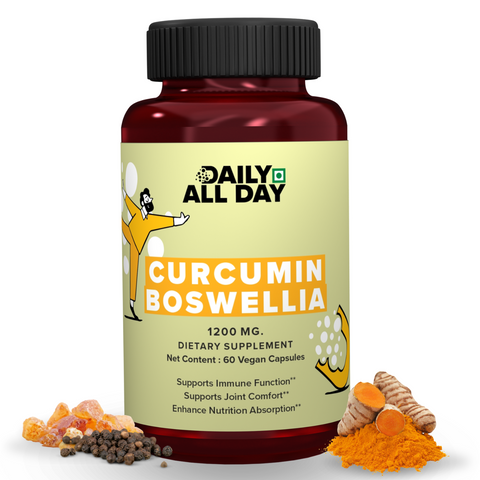
For additional joint support options, consider Daily All Day Joint Care for a more targeted curcumin formula designed specifically for joint health.
Try Total Wellness- Vegan Omega 3 6 9 →