Daily Nutrition Needs for Working Professionals in the US
Share

Table of Contents
- A Modern Professional's Nutrition Story
- Understanding Caloric Intake
- Macronutrient Distribution: The Balanced Plate
- Micronutrients for Health and Vitality
- Ingredients Deep Dive
- Practical Nutrition Tips for Professionals
- Frequently Asked Questions
- Our Recommended Products
- Ouora QnA: Top Nutrition Queries Answered
A Modern Professional's Nutrition Story
Emma, a young marketing manager in Chicago, always grabs her morning coffee but skips breakfast. By noon, her energy crashes and by 3 PM, she’s reaching for high-sugar snacks. Like Emma, many US working professionals know how hard it is to keep up with daily nutrition needs, but don't realize how simple choices—like understanding banana calories, knowing healthy carbohydrates, and drinking enough water—can keep the body and mind running strong.
Understanding Caloric Intake
Your daily calories fuel your body for work, exercise, and thinking. According to the experts, men need about 2,200–3,000 calories while women need 1,600–2,400 calories each day. Your needs may be higher if you walk, bike, or stand during your job, and a bit less if you have a desk job. Learn about energy-rich foods and balancing snacks in our guide on why Americans feel tired.
- Active jobs need more energy.
- Desk jobs require careful calorie limits because it’s easy to overeat.
Example: A large banana has about 120 calories and gives quick fuel without added sugars.
Macronutrient Distribution: The Balanced Plate
Working professionals need to split their daily food into three main macronutrient groups:
- Carbohydrates (45–65% of calories): Choose whole grains, fruit, and vegetables for long-lasting energy. Popular questions like “how many calories does a banana have” or “apple nutrition” show many are seeking quick, healthy options.
- Proteins (10–35% of calories): Go for lean meat, fish, eggs, legumes, or plant-based protein. The best protein powder can also work for busy days. Start with about 1 gram of protein per kg of body weight, and increase to 1.2-1.6 gm/kg as new guidelines suggest ([1]).
- Fats (20–35% of calories): Prefer healthy fats like avocado, nuts, extra virgin olive oil, and omega-3-rich foods, which reduce inflammation and help your heart ([2]).
Micronutrients for Health and Vitality
Micronutrients are vitamins and minerals your body needs in small amounts but are very important. Some top choices for professionals are:
- Calcium: 1,000 mg a day (for strong bones & teeth).
- Vitamin D: 600–800 IU a day (supports your immune system and bones).
- Potassium: 4,700 mg a day. Foods high in potassium like bananas, leafy greens, and beans lower blood pressure and help muscles work.
- Dietary Fiber: 25–30g daily. Try beans, apples, and oats.
Healthy foods high in potassium and magnesium support busy lifestyles. If you struggle to get these from food, a fiber or vitamin supplement may help.
Ingredients Deep Dive
- Banana: A go-to fruit for many professionals. It’s high in potassium, gives you 3g fiber, and is a great on-the-go snack with about 120 calories ([3]).
- Oats: Filled with complex carbohydrates and soluble fiber. They help manage blood sugar and keep you full longer.
- Eggs: Rich in selenium and protein, eggs can aid muscle growth and overall health ([1]).
- Leafy Greens: Spinach and kale are potent sources of vitamins K, C, iron, and calcium.
- Omega-3 Fatty Acids: Found in flaxseed, chia seeds, walnuts, and supplements. Omega-3s help lower inflammation and protect your heart ([2]).
- Beans and Lentils: Rich in vegetarian protein and fiber; great for those seeking a vegan protein powder option.
You can explore functional foods for stress and gut balance in this article.
Popular Nutrition Concerns for Working Professionals
- Choosing low sodium foods for heart health ([4]).
- Getting enough protein for weight loss or muscle recovery (think high protein diet for weight loss).
- Snacking on fiber supplement or low calorie snacks rather than sugary treats.
- Adding a zinc supplement or vitamin supplement during busy seasons.
Practical Nutrition Tips for Professionals
- Plan at least one healthy meal per day before work starts—overnight oats or eggs with vegetables are easy wins.
- Stock up on premier protein shakes, protein bars, or whey protein isolate for those days you run out of time.
- Keep a reusable water bottle at your desk to remind you to drink water often.
- Check nutrition labels: Learn how to read nutrition labels to pick the healthiest options.
- For snacks, swap chips for food healthy choices like fruit, carrots, or nuts.
- If you follow a diabetic diet, choose whole grains and avoid sugary drinks.
For gut support, discover probiotic-rich foods.
Recent Dietary Recommendations
- Increase your intake of whole foods such as fruits, veggies, and unprocessed dairy.
- Limit processed foods and added sugar to lower risks for obesity, diabetes, and heart disease ([4]).
- Current studies now say a higher protein diet (1.2–1.6 gm/kg) may be better for adults, not just athletes!
Try to include a variety of protein sources, especially if you’re interested in vegan or plant-based diets.
Frequently Asked Questions
-
What is Ashwagandha?
Ashwagandha is an adaptogenic herb that helps your body deal with stress and supports overall health. -
How does Ashwagandha help with stress?
It may lower cortisol levels and promote feelings of calm, making it a smart choice for stressed professionals. -
Is Ashwagandha safe for everyone?
Generally yes, but pregnant women and those with thyroid or autoimmune diseases should consult their doctor first. -
How can I make sure I get enough protein in my diet?
Mix and match protein sources: beans, lentils, eggs, yogurt, lean meats, and protein powders. Meal prepping helps! -
Are supplements or shakes good as meal replacements?
Supplements and protein shakes can assist when you're busy, but they do not replace the benefits of whole foods. Use them when needed, but aim for balanced meals when possible.
Our Recommended Products
- Vegan Protein Powder: Clean, plant-based, perfect for smoothies and post-workout shakes.
- Multivitamin Supplement: Covers your daily needs for key vitamins and minerals.
- Fiber Support Supplement: Boosts daily fiber intake, supports digestion, and pairs well with daily meals.
- Omega-3 Capsules: For those who don’t eat fish but need extra healthy fats.
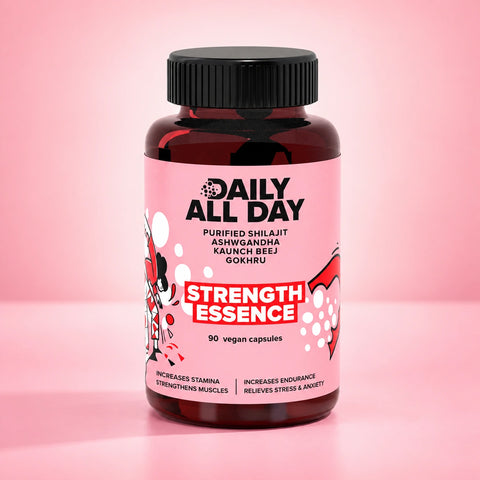
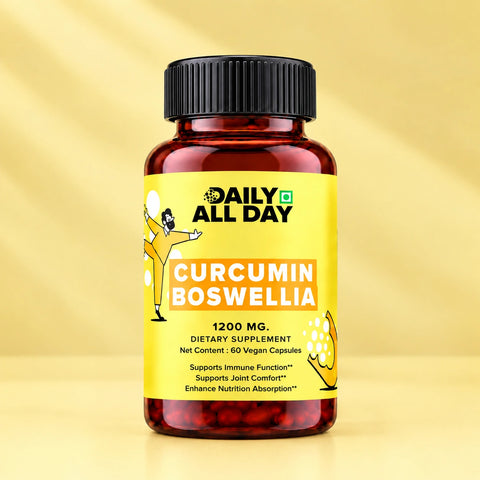
For more details, check your local vitamin shoppe or the Daily All Day supplements guide.
Ouora QnA: Top Nutrition Queries Answered
-
What are the best nutrition tips for busy working professionals?
- Prioritize meal prepping on weekends.
- Snack on nuts, fruits, or Greek yogurt instead of chips or sweets.
- Choose filling, high-protein options for breakfast.
-
How do I increase protein intake daily without animal products?
- Use quinoa, lentils, peanuts, and vegan protein powder.
- Add seeds (chia, flax, pumpkin) to salads or oatmeal.
-
What is the benefit of a heart healthy diet for working people?
- Helps prevent heart disease and high blood pressure.
- Gives steady energy for long workdays.
Did you find this helpful? We recommend browsing our preventive nutrition tips and hydration advice for active professionals for more ways to fuel your success.
Focusing on daily nutrition is key for working professionals in the US who want to feel energized, stay productive, and remain healthy. By understanding banana calorie counts, tracking carbohydrates, and selecting foods high in potassium, you can meet your nutrition goals. Incorporating protein shakes, high-fiber snacks, and low sodium foods supports a heart healthy diet. For those seeking dietary supplements, consider trusted options like Daily All Day’s multivitamin or vegan protein powder. Make use of nutrition labels and plan meals ahead for the best results. Don’t forget to stay hydrated, prioritize whole foods, and seek advice from a nutritionist if needed. With smart choices, you can make nutrition solutions a seamless part of your busy workday, supporting your body and mind for everyday success.