Is Velveeta Cheese Dip Bad for Your Gut?
Share

Quick Answer: Velveeta's sodium phosphate and preservatives can irritate a sensitive gut, making healthy cheese dip alternatives worth exploring. Real-food swaps like Greek yogurt or cashew-based dips reduce gut load. Pairing smarter dips with the Beast Mode Combo's ashwagandha and digestive botanicals helps the gut handle occasional indulgences more comfortably.
Is Velveeta Cheese Dip Bad for Your Gut? What the Ingredients Actually Tell Us — Plus Healthy Cheese Dip Alternatives That Taste Great
Table of Contents
- How Velveeta Ruled American Parties
- Velveeta Ingredients Deep Dive
- Quora Q&A: Cheesy Questions Answered
- Velveeta in Top Google Trends
- Healthy Cheese Dip Alternatives & Daily All Day Solutions
- Frequently Asked Questions
How Velveeta Ruled American Parties
Every Super Bowl Sunday, somewhere in the country, someone is melting a brick of Velveeta with a can of Rotel. It's almost ritual at this point. And honestly? Nobody's pretending it's a health food. But in 2024 and 2025, a quiet shift happened: more people started actually reading that ingredient label and asking what those sodium phosphates and emulsifiers are doing inside their bodies — specifically, inside their gut.
That question matters more than it sounds. The gut isn't just a digestive organ; it's closely tied to immune response, mood, and inflammation. So if you're eating processed cheese dip regularly, it's worth understanding what's in it, what that does downstream, and what healthy cheese dip alternatives can realistically replace it without killing the party vibe.
Velveeta Ingredients Deep Dive
Velveeta's label reads like a chemistry shorthand: skim milk, milk protein concentrate, whey, sodium phosphate, sodium alginate, sorbic acid, apocarotenal (the color). The product is classified by the FDA as "pasteurized prepared cheese product" — not cheese. That's a meaningful distinction.
Here's what those ingredients actually do:
- Milk and whey: Whey contributes amino acids and some B vitamins. A 2024 review confirmed whey proteins are a viable base for functional food development. [1]
- Sodium phosphate: This emulsifying salt is what keeps Velveeta from separating when heated. It also bumps the sodium load significantly — one 2-tablespoon serving contains roughly 410mg of sodium. For context, the American Heart Association recommends no more than 2,300mg daily total.
- Sorbic acid: A common preservative. Generally recognized as safe in small amounts, but it contributes to the overall preservative burden that some sensitive guts notice.
- Milk protein concentrate: This is a processed, dehydrated dairy protein — not the same matrix as eating whole cheese. Research on the cheese matrix suggests intact fermented dairy actually softens the impact of saturated fat on cardiovascular markers, an effect that concentrated processed proteins don't replicate. [2]
Velveeta does retain some nutritional value — calcium, phosphorus, protein — but it doesn't carry the probiotics or intact casein structures you'd find in aged cheddar or gouda. Studies on fermented dairy show those active cultures and mineral combinations actively support gut microbiome diversity. [3] Velveeta, being heat-processed, has none of that.
The bottom line on processed cheese dip nutrition: it's not toxic in a single serving, but routine consumption of high-sodium, emulsifier-heavy foods is associated in emerging research with disrupted gut barrier function and altered microbiome composition. [4] That's the honest read.
What This Means for Your Gut Day-to-Day
If you eat Velveeta dip occasionally — game day, a holiday party — your gut is probably fine. The concern is habitual use. Sodium phosphates in particular have been studied for their potential to increase intestinal permeability at high intake levels. A more permeable gut lining means partially digested proteins and bacterial fragments can cross more easily into the bloodstream, which can trigger low-grade systemic inflammation.
Remote workers snacking through Zoom calls, people eating processed convenience foods daily — this is the pattern worth examining, not the one-time bowl of queso at a barbecue.
Quora Q&A: Cheesy Questions Answered
- How do I make a cheese dip with sliced cheese? Cut up American cheese or a similar melty variety, warm gently with a splash of whole milk or cream, and stir continuously over low heat. No processed stabilizers needed. Full guidance on Quora.
- How do you make nacho cheese dip with Velveeta? Cube a block of Velveeta, combine with one can of Rotel tomatoes, and melt together over low heat or in the microwave in 30-second intervals. See more tips on Quora.
- What American cheddar tastes most like Velveeta? Land O'Lakes American and similar processed American slices come closest — both are blended from cheddar and Colby. Discussed in detail on Quora.
- Why do so many people dislike Velveeta? It's the combination of highly processed ingredients, artificial color, and the fact that it isn't technically "real" cheese. Strong opinions on Quora.
- Velveeta vs. regular cheddar — which wins? For flavor complexity, aged cheddar. For silky melt in dips and sauces, Velveeta. People weigh in on Quora.
Velveeta in Top Google Trends
- Velveeta and Rotel dip recipe: Still the most searched Velveeta use case. Two ingredients, five minutes, crowd-pleaser every time.
- Does Velveeta need to be refrigerated? Unopened blocks are shelf-stable (pasteurized). Once opened, refrigerate and use within 8 weeks.
- Velveeta mac and cheese: Ultra-creamy, but a high-sodium weeknight meal. Worth offsetting with a fiber-rich side.
- Velveeta ingredients list: Searches for this jumped noticeably after 2023 — people want ingredient transparency now more than they used to.
- Cheeseburger soup with Velveeta: A comfort food staple in Midwest households. The velveeta ingredients health risks conversation is increasingly showing up alongside these recipe searches.
- Velveeta Voldemort: A viral joke about how Velveeta's artificially smooth, unnaturally perfect appearance feels vaguely sinister. The internet has thoughts.
Healthy Cheese Dip Alternatives That Actually Work — and Daily All Day Solutions
The good news: you don't have to choose between "queso at every party" and "plain vegetable sticks forever." There are genuinely satisfying healthy cheese dip alternatives that taste good and don't hit your gut with the same emulsifier and sodium load.
Real-Food Swaps Worth Trying
- Greek yogurt base dips: Full-fat plain Greek yogurt blended with garlic, lemon, and herbs delivers protein and live cultures. Your gut microbiome genuinely benefits from those active cultures — something processed cheese dip can't offer. Check our guide on probiotics and gut health for more context.
- Cashew queso: Soaked raw cashews blended with nutritional yeast, turmeric, cumin, and a little apple cider vinegar. Creamy, plant-based, and sodium-controlled. A genuinely satisfying gut-friendly cheese dip for anyone navigating dairy sensitivity.
- White bean dip: Pureed cannellini beans with olive oil, roasted garlic, and rosemary. High in fiber, easy on the gut, and pairs beautifully with pita or crudités.
- Sharp cheddar melt (scratch method): Real aged cheddar melted with a small amount of whole milk and a pinch of mustard powder. You control the sodium. Flavor is actually better — the intact cheese matrix means it melts differently, but a low-and-slow approach gets you there.
Eating more whole-food fats alongside these healthy cheese dip alternatives is also worth thinking about. Our post on omega-rich whole-fat breakfasts covers the case for including quality dairy and fats in your routine — not eliminating them.
Where Ayurvedic Support Fits In
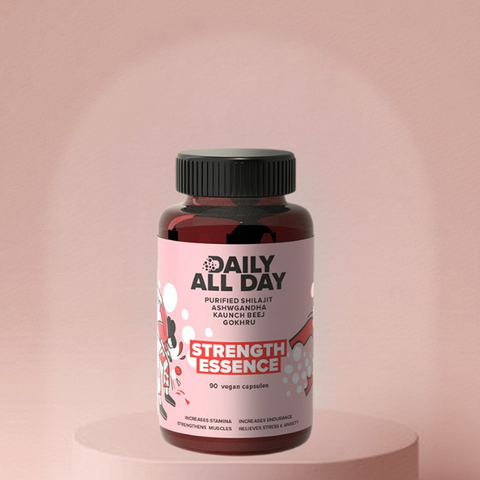
Even with smarter dip choices, if you're regularly eating at parties or social gatherings with processed foods, your gut benefits from consistent daily support. This is where the Beast Mode Combo comes in. It combines ashwagandha (which has documented cortisol-modulating effects — relevant because chronic stress weakens gut lining integrity) with digestive botanicals that align with Ayurvedic principles of agni, or digestive fire. When digestion is sluggish or inflamed, even good foods don't process well.
Ashwagandha's adaptogenic properties are covered in depth in our ashwagandha and adaptogens guide — worth reading if you're curious about how stress and gut health connect.
For nutritional gaps that processed party foods leave behind, the Daily All Day Ayurvedic Multivitamin covers 23 vitamins and minerals including B12, magnesium, and biotin — nutrients that support gut lining repair and energy metabolism. Pair that with Total Wellness Omega 3-6-9 for anti-inflammatory fatty acid support. Omega-3s in particular help counterbalance the pro-inflammatory profile of a high-sodium, emulsifier-heavy diet. More on how nutrition supports energy and electrolyte balance in hot or active conditions in our potassium and nutrition guide, and for broader daily nutrition context, the Midwest heart-healthy nutrition guide is a solid read.
30 / 60 / 90 Day Timeline: What Gut Support Actually Looks Like
Day 30: Most people notice less post-meal bloating and more consistent digestion. Swapping one processed cheese dip occasion per week for a Greek yogurt or cashew-based alternative reduces your weekly sodium phosphate load meaningfully. The Beast Mode Combo's adaptogenic botanicals start their stabilizing work around weeks 3-4.
Day 60: Gut-friendly cheese dip habits are easier to maintain because they no longer feel like deprivation. Energy tends to feel more even — less afternoon slump. If you've added the Omega 3-6-9 supplement consistently, inflammation markers tracked via how you feel (joint comfort, skin clarity) often show noticeable improvement.
Day 90: The combination of smarter food swaps and consistent Ayurvedic supplement support produces the clearest results at this mark. Digestion feels more resilient — occasional Velveeta at a party doesn't derail anything because your baseline gut health is stronger. That's the practical goal: not perfection, but resilience.
Frequently Asked Questions
What are the best healthy cheese dip alternatives for parties that still taste indulgent?
Cashew queso (soaked cashews blended with nutritional yeast, cumin, and turmeric) and scratch-made sharp cheddar melts are the two strongest options. Both deliver the creamy, scoopable texture people want from a party dip without the sodium phosphates and preservatives in processed cheese dip. Greek yogurt-based dips with garlic and herbs work well as a lighter option alongside chips or vegetables.
Does Velveeta actually cause gut problems, or is that overstated?
For most people, an occasional serving of Velveeta won't cause noticeable gut issues. The concern is habitual consumption — sodium phosphates and other emulsifiers consumed regularly have been associated in emerging research with altered gut microbiome composition and increased intestinal permeability. If you're already managing gut sensitivity, choosing a gut-friendly cheese dip made from whole ingredients is worth the swap.
Is processed cheese dip nutrition really that different from real cheese?
Yes, in meaningful ways. Aged natural cheeses retain an intact food matrix — a structure of fat, protein, and minerals that research suggests actually moderates the absorption of saturated fat and supports microbiome diversity. Velveeta's processing breaks down that matrix and removes live cultures entirely, leaving protein and mineral content but none of the probiotic or structural benefits of fermented cheese.
Can I make a gut-friendly cheese dip that still melts smoothly?
Yes. The trick for real-cheese dips is low heat and an acid component — a small amount of mustard powder or a few drops of lemon juice prevents protein clumping. Sharp white cheddar or Gruyère melted slowly with whole milk and a pinch of mustard produces a very smooth dip. Alternatively, the cashew queso method blends completely smooth and stays that way without any heat.
How do Ayurvedic supplements like ashwagandha relate to cheese dip and gut health?
It sounds like an odd pairing, but the connection is real. Chronic stress elevates cortisol, which directly weakens the gut lining's barrier function — making it more reactive to processed foods. Ashwagandha, the primary adaptogen in the Beast Mode Combo, has demonstrated cortisol-modulating effects in multiple clinical trials. A calmer stress response means better gut resilience, regardless of what's in the dip bowl.
What are the main velveeta ingredients health risks I should actually know about?
The three most relevant concerns are high sodium (roughly 410mg per 2-tablespoon serving), sodium phosphate emulsifiers that may affect gut permeability with regular intake, and the absence of any active probiotic cultures. None of these make Velveeta a crisis food in moderation, but they're worth knowing if you're eating it frequently or managing blood pressure, gut sensitivity, or an inflammatory condition.
Velveeta isn't going anywhere from American party culture — and it doesn't need to. The more useful conversation is about the difference between an occasional treat and a daily habit, and what honest healthy cheese dip alternatives look like when you want to make a change without giving up flavor. Real cheese, whole-food dips, and consistent gut support through Ayurvedic botanicals make that shift practical rather than punishing.
See how Beast Mode Combo supports your gut between the party dips →