How Poor Air Quality in Major U.S. Cities Raises Antioxidant Needs
Share

Table of Contents
- A Quick Story on City Living and Air Quality
- Why Antioxidants Matter More in Polluted Cities
- Quora Q&A: Real People, Real Solutions for Urban Air
- Understanding Air Quality, AQI, and Its Effects
- Daily All Day Products: Ingredient Deep Dive
- Antioxidant Protection: Scientific Research and Insights
- Frequently Asked Questions
A Quick Story on City Living and Air Quality
Imagine waking up, rolling up your window blinds, and seeing the city skyline, but it’s hidden by a thick haze. You take a breath and notice a dull chest heaviness—maybe you’re in Los Angeles, New York, or Chicago. City air pollution isn’t just a nuisance—it raises your body’s need for extra support, especially antioxidants that help your body fight this invisible battle.
Why Antioxidants Matter More in Polluted Cities
Air pollution contains tiny harmful particles (particulate matter like PM2.5 and PM10), gases (like nitrogen dioxide), and other pollutants that our bodies have to filter out. These pollutants create oxidative stress inside your body—a process that damages your cells and can even change your mood or energy levels. Your body uses antioxidants to repair and protect against this damage.
- Antioxidants help fight free radicals formed by pollutants.
- Polluted air makes your cells work harder and use up more antioxidants.
- Antioxidant-rich foods and supplements can help you recover from city air’s harsh effects.
Quora Q&A: Real People, Real Solutions for Urban Air
-
How can people make healthy lifestyle adjustments in polluted cities?
- Use indoor air purifiers and monitor the daily AQI index.
- Add more leafy greens, fruits, and nuts into your diet—these offer natural antioxidant support.
- Exercise indoors or during times when air quality is better, typically early morning or late evening.
-
How bad is America's air quality?
- Some U.S. cities experience AQI levels as high—or higher—than the world’s most polluted city during environmental events like wildfires.
- It’s important to check air quality index near me and adjust outdoor activities accordingly.
-
How is declining air quality affecting human health?
- Increased fatigue, depressive moods, and headaches are common responses.
- Your body spends more energy detoxifying, making you tired faster and sometimes causing brain fog.
-
Why does air quality get better at night in big cities?
- Less traffic and industry lower pollution in the night, allowing particulate matter to decrease temporarily.
-
What measures are major cities taking to protect residents?
- Shelter-in-place advisories, mask mandates, and restrictions on outdoor activity during poor air quality days.
- Some cities are planting more trees and improving green space for natural pollutant absorption.
Understanding Air Quality, AQI, and Its Effects
The Air Quality Index (AQI) tells you how clean or polluted the air is. High AQI means more pollution, greater health risks, and higher antioxidant needs for your body.
- Pollutants include particulate matter (PM2.5, PM10), ground-level ozone, carbon monoxide, sulfur dioxide, and nitrogen dioxide.
- Long-term exposure increases risks for lung, joint, and even heart issues, while making you feel more tired and drained.
- Checking the AQI today can help you plan your day safely—much like checking the weather forecast.
The negative effects of air pollution don’t just stop at cough and shortness of breath—they can include inflammation, slower metabolism, and higher risk of obesity and joint problems.
Daily All Day Products: Ingredient Deep Dive
1. Daily All Day Slim Support (90 Capsules) (buy here)
- Apple Cider Vinegar : Supports digestion; helps detox harmful air contaminant byproducts.
- Garcinia Cambogia: Suppresses appetite; supports metabolism during stress from pollution.
- Fenugreek (Methi): Supports better digestion—essential as pollution can slow down gut movement.
- Green Coffee Beans: Boosts metabolism for sustained energy even on days when you feel particularly sluggish.
- Green Tea: Naturally rich in antioxidants to fight free radical damage.
- Gurmar: Regulates sugar cravings so you avoid junk snacking during low-energy air pollution days.
- Triphala: Helps detox the digestive system, ridding you of pollutant residuals and aiding healthy gut flora.
- Ginger: Reduces inflammation and promotes metabolic boost.
Benefits:
- Burns excess fat and helps manage weight.
- Improves digestion when air and water pollution slow gut health.
- Boosts metabolism and sustained energy for busy city living.
- Works holistically with vegetarian, lab-tested, and FSSAI-approved ingredients. More about weight management.
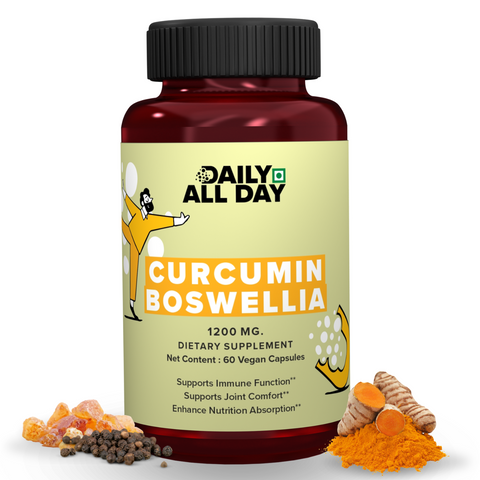
2. Daily All Day Joint Care (60 Capsules) (buy here)
- Turmeric Root Extract: Anti-inflammatory and an antioxidant—reduces joint pain, especially important when pollution raises inflammation levels ([2]).
- Curcumin: The main active ingredient in turmeric; fights inflammation at the source.
- Boswellia Serrata: Reduces inflammation and promotes cartilage repair—perfect for active city residents exposed to chronic pollution.
- Piperine (Black Pepper): Bioenhancer, increases absorption so your body gets maximum benefits.
Benefits:
- Reduces joint pain and supports mobility.
- Helps manage arthritis, back pain, and ligament repair.
- Contains only 100% vegetarian, non-toxic ingredients that are lab-tested, FSSAI-approved, and synergistically blended. Read more on anti-inflammatory foods.
Antioxidant Protection: Scientific Research and Insights
- Dietary betaine can protect the body from oxidative stress caused by a high-fat diet, highlighting the value of antioxidant-rich nutrition for restoring health in toxic environments (Study 1).
- Ozone therapy in diabetic mice showed that antioxidant support reduced inflammation and improved liver and kidney health in high oxidative stress scenarios. This mirrors the type of oxidative stress urbanites face during pollution spikes (Study 2).
- Soy protein plus microalga 3D films improve antioxidant status, pointing to the value of integrating antioxidant ingredients into daily nutrition for eco-conscious city dwellers (Study 3).
- Ligustilide from certain roots and herbs demonstrated significant antioxidant and anti-inflammatory effects in animal studies—herbal ingredients are more important than ever for city health (Study 4).
- Isoliensinine (lotus seed alkaloid) lessened inflammation in the brain, supporting its use in cognitive and overall wellness approaches in pollution-heavy cities (Study 5).
Every element of modern living—traffic, smoky days, industrial zones—raises your demand for antioxidants. Prioritizing these in your lifestyle makes all the difference for long-term skin, heart, and brain health.
Frequently Asked Questions
-
What is Ashwagandha?
Ashwagandha is an adaptogenic herb that helps your body manage stress and support your immune function. While not directly highlighted for air pollution, its overall benefits for stress make it a smart addition during pollution spikes. -
How does Ashwagandha help with stress?
It lowers cortisol (stress hormone) levels and helps you feel calmer in challenging situations, including high-pollution alerts. -
Is Ashwagandha safe for everyone?
It is generally safe for most people. Pregnant and lactating women, or those with certain health issues, should avoid using it without consulting a doctor. -
Why is my energy low during high AQI days?
Poor air quality means your body fights more inflammation and oxidative stress, using energy and minerals to detox and repair. You might experience tiredness, brain fog, or irritability—all signs of your increased antioxidant needs. Read more about fatigue here. -
How quickly do antioxidant supplements show results?
Some people notice higher energy and faster recovery within 1–3 weeks, but best results for body repair and weight management may take 6–8 weeks when paired with balanced nutrition and regular movement.
Poor air quality in major U.S. cities isn’t just about uncomfortable smog or the need for a pollution mask; it can actually increase your body’s antioxidant requirements and threaten your overall health. The surge in air contaminants and particulates during pollution spikes leads to oxidative stress, inflammation, fatigue, and even metabolic challenges. However, by making smart lifestyle changes—such as eating more antioxidant-rich foods, considering natural supplements like Daily All Day Slim Support and Joint Care capsules, and staying informed about air quality index (AQI) levels—you can protect your body from these harmful effects. Exploring effective ingredients like turmeric, boswellia, garcinia cambogia, and apple cider vinegar makes a significant difference, as these play a role in fighting inflammation, supporting your immune system, and helping your body detox. Staying proactive and informed is the key to thriving, no matter the air pollution score outside your window.