Fruitcake Traditions: The Most Loved-and-Hated American Holiday Dessert
Share

Table of Contents
- A Holiday Tale: Fruitcake Memories
- Fruitcake’s Rich Roots in History
- Fruitcake Comes to America
- Regional Twists & Festive Traditions
- Fruitcake Ingredients Deep Dive
- Why Is Fruitcake So Loved—and So Hated?
- Top Quora Q&A: Why Do People Dislike Fruitcake?
- Fruitcake in Modern America
- Healthful Choices—Beyond Fruitcake
- Frequently Asked Questions
A Holiday Tale: Fruitcake Memories
Every holiday season, the debate about fruitcake begins anew at American tables. Some families sneak their treasured fruit cake cake recipe out of grandma's cupboard, excited for the first slice bursting with fruits in fruit cake and toasted nuts. Others cringe, recalling dense, overly sweet cakes mailed by distant relatives or jokes from movies. So, why does this fruit and cake dessert spark such strong feelings? The answer is as rich as the cake itself.
Fruitcake’s Rich Roots in History
Fruitcake isn’t just an American tradition—it dates all the way back to ancient Rome. Roman soldiers fueled up on barley cakes crammed with raisins, seeds, and nuts. This early ancestor of our modern fruitcake was designed for energy and durability, making it ideal for long journeys and tough times.
Through the Middle Ages and into the Renaissance, cooks added honey, preserved fruits, and exotic spices brought along trade routes. By the 17th century, these improvements turned the humble mix into a special celebration cake eaten at weddings and holidays (source).
Fruitcake Comes to America
When English colonists crossed the Atlantic, they brought the fruitcake fruit tradition to America. By preserving fruits using sugar, settlers extended the harvest and baked them into fruit and cake recipes for the holidays. These cakes became a symbol of abundance and cheer, especially at Christmas.
Regional Twists & Festive Traditions
- Southern Supreme: In the South, especially Texas, fruitcake means pecans, sweet local fruits, and sometimes a splash of whiskey. The Corsicana Fruitcake Company and Collin Street Bakery have made their "Texas fruit cake fruit cake" world famous.
- The Great Fruitcake Toss: Not everyone wants to eat fruitcake! In Manitou Springs, Colorado, people compete in a "Fruitcake Toss," hurling unwanted cakes as far as possible to ring in the new year. It’s all in good fun and shows how fruitcake can unite communities—even as a joke.
- Homemade Glory: Some swear by "Grandma's fruitcake," saying homemade from scratch is the only way to enjoy this classic. Store-bought versions, on the other hand, get lots of complaints.
Fruitcake Ingredients Deep Dive
What actually goes into a cake fruit cake, and could these ingredients have health benefits?
- Dried Fruits: Raisins, currants, cherries, apricots, and pineapple make up the bulk of traditional fruit fruit cake recipes. Dried fruits are packed with vitamins, natural antioxidants, and fiber. [1]
- Nuts: Pecans and walnuts are common, bringing healthy fats, protein, and minerals to each slice.
- Spices: Cinnamon, nutmeg, clove, and allspice add warm, inviting flavors—many have anti-inflammatory properties. [1]
- Booze: Some recipes call for rum, brandy, or sherry. Alcohol preserves the cake and adds kick, though it isn’t necessary for the flavor.
- Candied Peel: Bits of orange or lemon peel combine fragrance and texture—but too much can be bitter or artificial in mass-market brands.
Newer recipes go lighter on added sugar, using natural dried fruit sweetness and whole grain flour. Still, traditional fruitcake is high in sugar and calories, so it’s best as a sometimes treat.
The Health Connection
- Antioxidants: Ingredients like raisins and nuts support cell health and boost immunity. [1]
- Fiber: Dried fruits provide fiber to support good digestion and gut health (learn more about gut health here).
- Healthy Fats: Nuts add heart-healthy polyunsaturated fats.
Why Is Fruitcake So Loved—and So Hated?
American opinions are sharply divided on fruitcake. In the past, it was a prized Christmas gift. Now, it’s often the punchline of holiday jokes, and late-night comics tease, "No one actually likes fruitcake!"
What happened?
- Quality Drop: Mass production led to dry, flavorless cakes loaded with cheap candied fruit.
- Texture Trouble: Some people hate the dense, sticky texture or bright-colored "glitter" fruit chunks—a turn-off for many.
- Too Sweet: Extra sugar and artificial flavors in store-bought versions can overpower natural ingredients.
But for many, a delicately made homemade fruit cake fruit cake is a memory of holiday cheer and family—the ultimate comfort food, like meatloaf or Salisbury steak.
Top Quora Q&A: Why Do People Dislike Fruitcake?
- "Many Americans tend to dislike it because the fruitcake they mostly buy ... it's the holiday season so it's traditional to have a fruitcake, not optional." (See more on Quora)
- "Of most, fruitcake is either loved or hated by those who come across it. When I was a young kid (8–9)..." (Read more on Quora)
- "No one likes fruitcake, this fact is the running joke of US late night comics. The commonest sweet eaten around Christmas is a cookie." (Explore on Quora)
- "The candied fruit and nuts are good. Maybe it's only a southern thing." (Learn more on Quora)
What does "half fruitcake" mean? Sometimes, "half fruitcake" is slang for someone behaving a bit silly or eccentric! But, in food talk, it often means a cake with less fruit or nuts.
Fruitcake in Modern America
- Today, fruitcake is loved by many for its nostalgia and flavors—especially in the South with companies like "Southern Supreme Fruitcake and More" making waves.
- Others continue to dislike it, with phrases like "Why is fruitcake so hated?" trending each season.
- Products like "fruitcake glitter vinyl" and "grandma's fruitcake bath and body works" show the dessert's odd staying power in American pop culture! Even internet memes and shows like "Dandy's World" poke fun at its reputation.
Despite the jokes, fruitcake traditions, whether you love or loathe them, are here to stay.
Healthful Choices—Beyond Fruitcake
If rich, sweet desserts feel overwhelming, there are other ways to blend holiday tradition and well-being. Look for natural, wholesome snacks and supplements that support good health year-round, not just at Christmas.
- Daily All Day Slim Support: With ACV, Garcinia Cambogia, Methi, green coffee, green tea, gurmar, ginger, and Triphala for fat burn, appetite control, and metabolism.
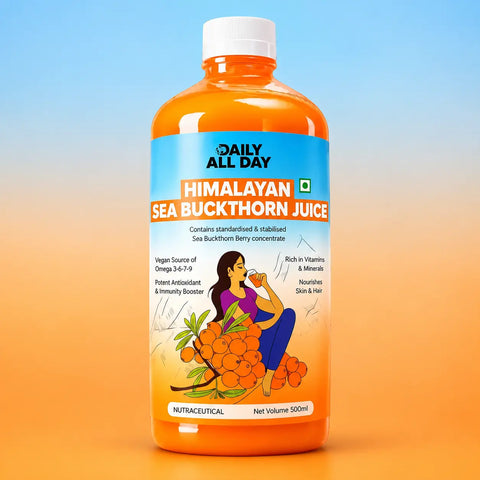
- Daily All Day Sea Buckthorn Juice: Packed with omega-3-6-7-9, vitamin C, and antioxidants for skin, heart, and immunity.
- Daily All Day Gluco Wise: With berberine, cinnamon, and milk thistle for blood sugar, cholesterol, and liver health.
Curious how natural ingredients fit into your daily choices? Learn about milk thistle and liver health here.
Frequently Asked Questions
-
What does "half fruitcake" mean?
- In conversation, it sometimes describes someone acting silly or "eccentric." In baking, it means a fruitcake made with half the usual fruit or nuts—making it lighter and less sweet. -
Is fruitcake healthy to eat often?
- While loaded with nuts and dried fruits, fruitcake is high in sugar and calories. It’s best as an occasional treat, balanced with healthier daily food choices. -
What are some alternatives if I want traditional flavors but a lighter dessert?
- Try gingerbread, biscotti, or cookies with dried fruits and nuts. You can also experiment by reducing sugar and using wholesome flours. -
Are nuts and dried fruits really good for you?
- Yes, nuts and dried fruits offer essential oils, fiber, vitamins, and antioxidants. For more about the health power of nuts and seeds, read about omega-rich breakfasts here. [1] -
Why does fruitcake last so long?
- The high sugar, low water, and sometimes alcohol help preserve it, making fruitcake a shelf-stable dessert for months. -
Can fruitcake be part of a healthy lifestyle?
- In moderation, fruitfruit cake with wholesome ingredients adds variety and tradition. For overall health, pair treats with balanced meals and supplements that promote metabolism and immunity, like Daily All Day’s holistic blends. [2]
Fruitcake is more than just a cake fruit cake—it’s a symbol of American holiday tradition, debate, and creativity. From Roman times to American tables, fruitcake’s journey blends history, regional flavor, and cultural meaning. Its most powerful quality is how it brings people together, whether through shared stories or family feuds about fruit and cake.
Fruitcakes pack healthful ingredients such as nuts and dried fruits, providing natural antioxidants, vitamins, and minerals. Yet, for many, the love-or-hate reaction is strong: mass-produced or overloaded with candied fruits and artificial flavorings, they can disappoint. Homemade and quality recipes, full of real fruits in fruit cake and nuts, often convert skeptics.
Remember, balance is key, not only in desserts but in daily wellness. Daily All Day offers products like Slim Support, Sea Buckthorn Juice, and Gluco Wise that combine tradition with modern science for your health journey. Whether you reach for a classic fruitcake or a simple, nutritious snack like those listed here, let your choices reflect you.
Embrace fruitcake for what it is—a flavorful bite of history and togetherness. Love it or leave it, it always has a place at the American holiday table.