Is Miracle Whip or Mayo Healthier for You?
Share

Bottom line: Miracle whip vs mayo which is healthier depends on your specific dietary concern. Miracle Whip has roughly half the calories and fat of mayo but contains added sugars and high-fructose corn syrup. Mayo provides mostly natural fats with zero added sugar. For metabolic balance, pairing smarter food choices with Gluco Wise - Metabolic & Blood Sugar Support can help.
Is Miracle Whip or Mayo Healthier for You?
Table of Contents
- The Two Sides of the Spread
- History of Miracle Whip and Mayo
- Ingredients Comparison
- Taste, Texture & Kitchen Uses
- Miracle Whip vs Mayo Nutrition Facts
- What Real People Say: Team Mayo vs Team Miracle Whip
- Beyond the Sandwich: What Actually Matters for Your Health
- Frequently Asked Questions
The Two Sides of the Spread
Somewhere between the mustard and the pickles, this argument has been happening for decades. Miracle Whip or mayo. Two jars, similar looks, completely different personalities. And depending on which coast you grew up on, or what your grandmother kept in her fridge, you probably have a strong opinion already.
But here's what most of the debate misses: the question of miracle whip vs mayo which is healthier isn't as simple as "fewer calories wins." Calories are one data point. Sugar content, fat quality, ingredient processing, and how these spreads affect your metabolic health are the full picture. Let's actually go there.
History of Miracle Whip and Mayo
Mayonnaise has been around since the 18th century, likely originating in France or Spain and arriving in American kitchens by the mid-1800s. The classic formula hasn't changed much: egg yolks, oil, and an acid like vinegar or lemon juice. Simple emulsion chemistry, nothing more.
Miracle Whip is a product of necessity. Kraft introduced it in 1933, right in the middle of the Great Depression, as a cheaper alternative to mayo. It debuted at the Chicago World's Fair and was an immediate hit. The lower price point mattered, but so did the flavor. That sweet-tangy zip was unlike anything else on grocery shelves. Within a year, it had outsold every other mayonnaise brand in the country.
The two products have competed ever since. And the cultural stigma around Miracle Whip is real, partly because of its added sugars and partly because food purists feel that real mayo shouldn't need sweeteners. Both points are fair.
Ingredients Comparison
What's Actually in Mayo
- Egg yolks — the emulsifier that holds everything together
- Oil (soybean or canola) — the primary fat source, giving mayo its texture
- Vinegar or lemon juice — mild acidity for tang and preservation
- Salt , flavor enhancement, nothing else
That's essentially it for traditional mayo. No sweeteners. No starches. The fat is largely from unsaturated oils, which research has continued to associate with better cardiovascular markers when consumed in moderation.
What's Actually in Miracle Whip
- Egg yolks and oil , present, but in smaller amounts than mayo
- Vinegar , more of it than mayo, contributing to that sharp tang
- Sugar and high-fructose corn syrup , the source of its signature sweetness
- Mustard flour and spices , the zesty complexity
- Modified food starch , replaces some of the fat to reduce calories
- Preservatives , extends shelf life beyond what mayo can manage
The mayo vs miracle whip ingredients comparison comes down to this: mayo is minimally processed with recognizable components, while Miracle Whip trades some fat for sugar, starch, and a longer additive list. Neither is inherently bad. But depending on your health priorities, one fits better than the other.
Curious about how common food ingredients stack up nutritionally? Our nutrition guide covering protein, fiber, vitamin D, and magnesium gives useful context for building a more complete diet picture.
Taste, Texture & Kitchen Uses
Mayo is a blank canvas. Mild, fatty, smooth. It disappears into recipes and lets other flavors lead. That's why it works so well as a base for aioli, tartar sauce, ranch dressing, and anything where you're building flavor on top of something neutral. It also browns beautifully when used on the outside of a grilled cheese sandwich.
Miracle Whip has a personality. Sweet, tangy, slightly spicy. It makes itself known in whatever dish it joins. For deviled eggs, classic potato salad, or a retro macaroni salad, many cooks say nothing else comes close. It's not trying to be a neutral base. It's the flavor.
They aren't really substitutes for each other in most recipes. Swapping one for the other will change the dish noticeably. For lighter lunch ideas where the spread matters, check out this look at quick vegetarian dinners and how classic convenience foods have evolved.
Miracle Whip also appears in unexpected places. Some bakers use it in chocolate cake (Kraft's famous recipe) because the emulsified oils and vinegar contribute to a moist crumb. Want to rethink how spreads and condiments fit into everyday eating? There's a lot of creative ground covered in our post on school lunch nutrition and lunchbox combinations.
Miracle Whip vs Mayo Nutrition Facts
This is where the miracle whip vs mayo which is healthier question gets its most concrete answer, and where most comparisons stop too soon.
| Nutrient (per 1 tbsp) | Regular Mayonnaise | Miracle Whip |
|---|---|---|
| Calories | 90–100 | 40–50 |
| Total Fat | 10g | 3.5g |
| Saturated Fat | 1.5g | 0g |
| Sugar | 0g | 2–3g |
| Cholesterol | ~5mg | 0mg |
| Sodium | 90–105mg | 95–105mg |
| Carbohydrates | 0g | 3g |
Miracle Whip wins on calories and fat. Mayo wins on sugar and ingredient simplicity. For someone managing blood sugar or trying to avoid spikes from added sweeteners, those 2–3 grams of sugar per tablespoon add up faster than they look, especially in recipes calling for a quarter cup or more.
A 2017 systematic review of 73 randomized controlled trials covering 116,806 participants, published in the British Medical Journal, found that reducing added sugar intake was consistently associated with lower body weight and improved metabolic markers. Two tablespoons of Miracle Whip contributes as much added sugar as some flavored yogurts. That context matters.
On the fat side, a 2020 meta-analysis of 15 studies and 59,000 participants found that replacing saturated fat with polyunsaturated fat (the kind found in soybean and canola oil, which are the oils in mayo) was associated with reduced cardiovascular risk. [2] This gives mayo's fat profile a meaningful advantage for heart-conscious eaters.
For skin and metabolic health that goes beyond what any condiment can offer, healthy fats from whole-food sources make a real difference. Our Sea Buckthorn Juice delivers a rare combination of omega-3, 6, 9, and omega-7 fatty acids that support skin hydration and metabolic function from the inside out.
The Three Things Nobody Else Tells You About This Comparison
Most miracle whip vs mayo which is healthier articles stop at calories and fat. Here's what they skip:
1. The glycemic load of your whole meal matters more than the spread alone. If you're eating Miracle Whip on white bread with deli meat and a sweetened beverage, the condiment's sugar content is a small part of a larger blood sugar challenge. But if you're already eating a low-glycemic meal, that 2–3g of sugar per tablespoon from Miracle Whip is nudging an otherwise balanced plate in a less favorable direction. For people actively monitoring metabolic health, those micro-contributions are worth tracking.
2. "Low fat" labels can trigger overconsumption. A 2002 study of 85 adults published in the journal Appetite found that participants labeled a food as "low fat" consumed significantly more of it than participants given the same food without the label. Miracle Whip's lower-calorie positioning can lead people to use more per serving, which closes the calorie gap and widens the sugar gap.
3. Metabolic context determines which is "healthier" for you specifically. Someone on a low-fat diet post-cardiac event may genuinely benefit from Miracle Whip's reduced fat content. Someone managing insulin sensitivity or following a low-sugar protocol will find mayo the cleaner choice. There is no single universal answer. The honest version of is miracle whip healthier than mayo is: it depends on what you're managing.
Supporting metabolic health at a deeper level, beyond condiment swaps, is where supplementation can help. Gluco Wise - Metabolic & Blood Sugar Support combines Ayurvedic botanicals including berberine, bitter melon, and gymnema sylvestre, compounds studied for their role in supporting healthy blood sugar levels and metabolic function. It's designed for people who are paying attention to what they eat and want additional support for the bigger picture.
Our plant-based Total Wellness Omega 3-6-9 capsules, sourced from flaxseed, offer another way to support heart and metabolic health without the processed fats or sugars found in either spread.
What Real People Say: Team Mayo vs Team Miracle Whip
The internet has strong opinions on this. Consistently strong.
- From Quora: "Mayo is more mellow. It contains vinegar, but less and isn't seasoned, as Miracle Whip is. Since mayo is blander, it is a better base for sauces."
- Another Quora response: "Miracle Whip has a stigma for some , it includes sugar and is flavored. Mayo is just egg, vinegar, oil , a blank canvas."
- On why mayo wins for many cooks: "Mayo is more flexible in recipes. Miracle Whip can overpower if you aren't looking for its unique taste."
- Facebook group discussion: "They are definitely different. Miracle Whip is sweet! Mayo is tangy. Both have a place in sandwiches and potato salad , depends on your taste!"
The consistent theme: people who prefer mayo value control and versatility. People who prefer Miracle Whip value its built-in flavor profile. Neither camp is wrong. But the health implications of those preferences are worth understanding.
Beyond the Sandwich: What Actually Matters for Your Health
Choosing between Miracle Whip and mayo is a condiment-level decision. Meaningful, but limited. The foods you build around those spreads matter more. So does how you support your body at a systemic level.
- Sea Buckthorn Juice: Rich in omega-3, 6, 7, and 9 fatty acids alongside vitamins C and E, our Sea Buckthorn Juice supports skin hydration, metabolic health, and antioxidant defense. No added sugar, 100% vegan.
- Omega 3-6-9 Capsules: Plant-based and sourced from flaxseed, these support heart, brain, and joint function. See the full formula at Total Wellness Omega 3-6-9.
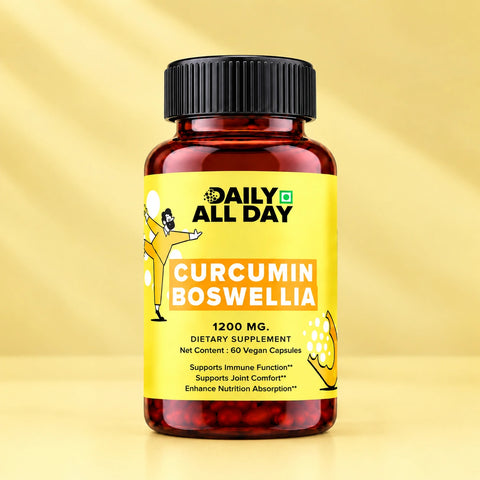
- Joint Care Capsules: Turmeric root, Boswellia, and black pepper work together to support joint comfort and flexibility. Details at Joint Care Curcumin.
If metabolic balance is a priority, high-protein, whole-food snacking is another lever. Our post on low-fat cottage cheese and protein-forward snacking covers practical options that complement a lower-sugar approach to everyday eating.
What a 30/60/90 Day Approach Looks Like
Small, consistent changes to food choices and supplementation compound over time. Here's a realistic framework:
By Day 30: Swapping to mayo (or reducing Miracle Whip portions) while adding a daily metabolic support supplement like Gluco Wise tends to surface subtle improvements in energy steadiness after meals. Some people notice less mid-afternoon fatigue. Appetite patterns may begin to feel more consistent.
By Day 60: With consistent lower-sugar eating and continued metabolic support, many users report that cravings for sweet condiments and processed flavors naturally decrease. Blood sugar awareness increases. This is often when people start reading labels more carefully, not as a chore but out of genuine curiosity.
By Day 90: A cleaner ingredient baseline across meals becomes the new default rather than an effort. Metabolic markers, when checked, often reflect the cumulative benefit of reduced added sugars and consistent botanical support. This is the compounding phase where small choices start to feel like a coherent lifestyle rather than a series of restrictions.
Frequently Asked Questions
Is Miracle Whip actually lower in calories than mayo, and does that make it the healthier choice?
Miracle Whip has roughly 40–50 calories per tablespoon compared to mayo's 90–100, so yes, it's lower in calories. But it achieves that by replacing fat with sugar, high-fructose corn syrup, and modified food starch. For someone tracking added sugars or managing metabolic health, those 2–3 grams of sugar per tablespoon (which multiply quickly in recipes) may matter more than the calorie reduction. Lower calories doesn't automatically mean the better choice for everyone.
Which has more sugar, Miracle Whip or mayo, and why does that matter?
Miracle Whip contains 2–3 grams of sugar per tablespoon, largely from added sugar and high-fructose corn syrup. Traditional mayonnaise contains zero added sugar. This matters most for anyone watching blood sugar, following a low-carb eating pattern, or simply trying to reduce their intake of refined sweeteners. A quarter cup of Miracle Whip in a potato salad recipe adds 8–12 grams of sugar before you've counted anything else in the meal.
Can I use Miracle Whip and mayo interchangeably in recipes?
Technically yes, but the results will be noticeably different. Miracle Whip's sweet, tangy flavor profile will come through in anything you make, which works beautifully in classic deviled eggs or retro pasta salad but can clash in dishes where you need a neutral base (like aioli or a creamy herb dressing). Mayo is the safer substitute when you want to control the flavor direction. Miracle Whip is the better choice when you specifically want that signature zip.
Is the fat in mayonnaise actually bad for you?
Most of the fat in traditional mayo comes from soybean or canola oil, which are primarily unsaturated fats. A 2020 meta-analysis covering 15 studies and 59,000 participants found that replacing saturated fat with polyunsaturated fat was associated with reduced cardiovascular risk. [2] In that context, mayo's fat profile is not the health liability many people assume it to be, especially compared to the added sugars in Miracle Whip.
What's the best spread choice if I'm trying to support metabolic health?
For most people focused on metabolic health, traditional mayo is the cleaner option because it contains no added sugars, uses recognizable ingredients, and its fat profile is primarily unsaturated. Using it in moderate amounts alongside a whole-food diet is unlikely to create any meaningful metabolic stress. For deeper metabolic support beyond condiment choices, pairing mindful eating habits with a targeted supplement like Gluco Wise - Metabolic & Blood Sugar Support addresses the bigger picture more effectively than any spread swap alone.
Why do some people have such a strong negative reaction to Miracle Whip?
Partly taste, partly ingredients. Miracle Whip's sweet and spicy flavor genuinely doesn't work for people who expect mayo's neutral creaminess, and the surprise factor can be jarring in recipes where the tanginess isn't expected. On the ingredient side, food-conscious eaters often react to the presence of high-fructose corn syrup and modified food starch in what looks like a mayo jar. The cultural stigma is well-documented, and it tends to run along both taste preference and ingredient philosophy lines.