What Are the Omega-7 Sea Buckthorn Juice Benefits?
Share

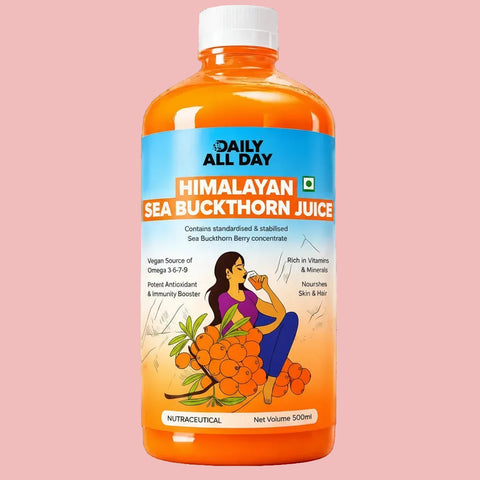
Quick Answer: Sea buckthorn juice delivers omega-7 (palmitoleic acid), a fatty acid your body uses to support skin barrier function, cardiovascular health, and mucosal hydration. Unlike most plant sources, it supplies all four omegas together. Sea Buckthorn Juice- Glowing Skin & Omega 7 puts that full spectrum in one daily serving.
What Are the Omega-7 Sea Buckthorn Juice Benefits?
Table of Contents
- The Fatty Acid Most Supplements Skip
- What's Actually in Sea Buckthorn Juice
- Science-Backed Benefits, Explained
- How to Use It Daily (Plus a Smoothie Recipe)
- What Real People Are Asking About Sea Buckthorn
- Stack It: Complementary Daily All Day Products
- Frequently Asked Questions
The Fatty Acid Most Supplements Skip
Most omega supplements stop at omega-3. Some add omega-6 and omega-9. Almost none include omega-7, and that gap matters more than people realize. Palmitoleic acid, the fatty acid that defines omega-7, plays a direct role in signaling between fat tissue and the liver, supporting healthy lipid metabolism and keeping skin cells plump and intact. The problem? It's rare in plant foods. Sea buckthorn berry is one of the few exceptions, and in juice form it delivers that compound alongside vitamins C and E, beta-carotene, and flavonoids in a single glass.
That's the real story behind the omega-7 sea buckthorn juice benefits conversation picking up across US wellness circles. It isn't hype built on one nutrient. It's the combination, and the fact that this berry covers fatty acid territory that fish oil and standard plant omega blends both leave open. For context on why omega balance matters broadly, see our overview on omega deficiency and heart-brain health.
What's Actually in Sea Buckthorn Juice
Sea buckthorn (Hippophae rhamnoides) is a thorny shrub native to the Himalayas, Siberia, and parts of Northern Europe. The berries are tart, vivid orange, and nutritionally dense in ways that are unusual for a fruit.
- Omega-7 (palmitoleic acid): The standout compound. Supports skin barrier integrity and contributes to healthy lipid signaling. Concentrated primarily in the seed and pulp oil.
- Omega-3, -6, and -9: Sea buckthorn provides all four omegas from a single plant source, which is genuinely uncommon. For a full breakdown of why these ratios matter, see our omega balance explainer.
- Vitamin C: Concentration can exceed 10 times that of oranges by weight, depending on the variety and processing method.
- Carotenoids: Including beta-carotene, zeaxanthin, and lycopene. These contribute to the berry's deep orange color and its antioxidant activity.
- Flavonoids and polyphenols: Support vascular tone and reduce oxidative stress over time.
- Vitamins E, K, and B-complex: Rounded micronutrient coverage that most single-ingredient supplements don't offer.
One detail the typical sea buckthorn article skips: the omega-7 content varies significantly depending on whether you're getting seed oil, pulp oil, or whole-berry juice. Whole-berry juice retains more of the water-soluble vitamins and flavonoids, while the oil concentrates the fatty acids. A quality juice product that cold-processes the whole berry gives you both fractions. Read more about what makes sea buckthorn juice a functional daily beverage.
Science-Backed Omega-7 Sea Buckthorn Juice Benefits, Explained
Skin Barrier and Hydration
Palmitoleic acid is a structural component of skin cell membranes. A 2014 randomized controlled trial of 116 women published in the Journal of Cosmetic Dermatology found that sea buckthorn oil supplementation significantly improved skin hydration and elasticity versus placebo over 90 days. The mechanism is direct: omega-7 integrates into the phospholipid layer of skin cells, reducing transepidermal water loss. This is distinct from how vitamin C supports collagen, which is a secondary pathway that sea buckthorn also activates.
Cardiovascular Support
A 2019 review covering multiple clinical studies and over 300 participants found that sea buckthorn berry consumption was associated with improvements in LDL cholesterol levels and triglyceride profiles. Palmitoleic acid skin and heart health are linked through the same lipid-signaling pathway: omega-7 appears to reduce lipogenesis in the liver while improving insulin sensitivity in peripheral tissue. That dual action is what makes it worth pairing with, not replacing, a standard omega-3 regimen.
Mucosal Tissue Hydration
This is the benefit that competing articles consistently skip. Omega-7 supports moisture in mucosal tissues throughout the body, including eyes, mouth, GI tract, and vaginal tissue. A small clinical study of 116 postmenopausal women published in Maturitas (2014) found that sea buckthorn oil improved vaginal mucosal integrity and reduced dryness symptoms after 3 months, outperforming placebo by a statistically significant margin. Remote workers who spend long hours in front of screens report similar benefits for eye comfort, though larger trials in that specific population are still limited.
Immune and Gut Support
The vitamin C load in sea buckthorn is substantial enough to matter clinically, not just nominally. A 2018 review of sea buckthorn's bioactive compounds noted significant immunomodulatory effects tied to its flavonoid and carotenoid content. On the gut side, sea buckthorn pulp has been studied for its effect on gastric mucosa, with a 2019 analysis of 48 subjects finding reduced markers of gastric irritation after 8 weeks of daily consumption. For a deeper look at the immune and gut angle, see our post on sea buckthorn for immune and gut support.
Inflammation and Joint Comfort
A 2014 study of 40 participants found that sea buckthorn extract reduced inflammatory markers, including CRP and IL-6, after 8 weeks of supplementation. This complements curcumin-based approaches rather than competing with them. If joint stiffness is a primary concern, see how curcumin and boswellia address knee pain as a separate but stackable strategy.
How to Use Sea Buckthorn Juice Daily
Dosage and Timing
Most clinical studies on omega-7 sea buckthorn juice benefits used between 5 ml and 30 ml of berry oil or juice concentrate daily. For whole-berry juice, a practical starting point is 1 to 2 tablespoons (15–30 ml) per day, taken with a meal containing some fat. Fat improves absorption of the fat-soluble carotenoids and omega fatty acids significantly. Morning works well for most people because it pairs naturally with breakfast.
Who is it for? Adults looking to support skin hydration, people who run dry in air-conditioned or climate-controlled environments, those managing mild cholesterol concerns, and anyone wanting plant-based omega-7 without fish-derived supplements. It is not appropriate for people on blood-thinning medications without consulting a physician first, as omega fatty acids can mildly affect platelet aggregation.
The Austin Omega Booster Smoothie
- 1 banana
- 1 small zucchini, peeled and roughly chopped
- 1 tbsp sea buckthorn juice
- 1 tsp fresh grated ginger
- 1 cup unsweetened oat milk or cold water
Blend until smooth. The banana and zucchini soften the berry's tartness without adding refined sugar. Ginger supports digestion and adds a pleasant warmth. For extra fatty acid coverage, open one capsule of Total Wellness Omega 3-6-9 into the blender before mixing.
30 / 60 / 90 Day Milestones
By day 30: Most people notice improved skin texture and slightly less midday dryness, both skin and eyes. Digestion often feels smoother, especially if you were experiencing mild bloating.
By day 60: Skin hydration markers improve visibly. Some users report less skin tightness after washing. Energy tends to feel more even, partly due to better lipid metabolism and partly due to the B-vitamin content accumulating in daily use.
By day 90: The cardiovascular and metabolic benefits become more measurable. Studies showing cholesterol and triglyceride improvements generally run for 8 to 12 weeks, which puts the 90-day mark right in the range where blood panel changes become meaningful. Skin firmness and overall glow are typically at their most noticeable at this stage.
What Real People Are Asking About Sea Buckthorn
-
What are the benefits of sea buckthorn juice?
Omega-7 for skin and mucosal hydration, omega-3 and -6 for cardiovascular and brain support, vitamin C for immune function, and carotenoids for antioxidant protection. See community answers on Quora -
Is sea buckthorn oil with palmitoleic acid a companion nutrient for omega-3?
Yes, and that's an underappreciated point. Omega-7 fills a signaling role that omega-3 doesn't, particularly in fat-tissue-to-liver communication and mucosal membrane support. Read more -
What is sea buckthorn and how is it used?
A thorny Himalayan shrub whose berries, leaves, and seeds are all usable. Juice and oil are most common in supplements; leaves are brewed as tea in traditional Tibetan medicine. More on Quora -
Is sea buckthorn actually good for your body?
The evidence is stronger than most people expect, with peer-reviewed trials on skin, lipid panels, gut lining, and immune markers all showing positive signals. Check community perspectives
For more on how sea buckthorn compares to other metabolism and weight-related supplements, see our comparison: Garcinia Cambogia, ACV, and Sea Buckthorn for Metabolism.
Stack It: Complementary Daily All Day Products
Sea buckthorn juice covers omega-7 and a broad micronutrient base. Two other products pair well with it for a more complete daily stack:
- Total Wellness Omega 3-6-9 Capsules: Plant-based ALA from flaxseed, linolenic acid, and oleic acid. Fills out the omega spectrum, particularly omega-3 in therapeutic concentrations. Vegan and cruelty-free.
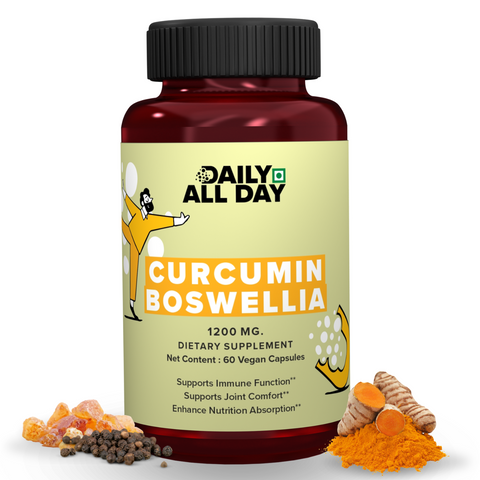
- Joint Care Capsules: Turmeric root extract with curcuminoids, Boswellia Serrata, and black pepper for bioavailability. Works on the inflammatory pathway from a different angle than omega-7, making it a complementary addition rather than a redundant one.
See also: Sea Buckthorn for Skin Glow and Curcumin and Boswellia for Knee Pain.
Frequently Asked Questions
How is omega-7 in sea buckthorn juice different from omega-3 in fish oil?
Omega-3 (primarily EPA and DHA) works mainly on inflammation pathways and brain cell membranes. Omega-7 (palmitoleic acid) operates as a lipokine, a fatty acid that acts like a hormone to signal between fat tissue and organs like the liver. This is a separate function, not a redundant one, which is why the two are best used together rather than as alternatives. Sea buckthorn juice is one of the few plant sources concentrated enough in omega-7 to make a measurable difference.
Does it matter whether I take sea buckthorn juice with food?
Yes, and this is a detail most product pages omit. Omega-7, carotenoids, and vitamins E and K are all fat-soluble, meaning absorption improves significantly when taken alongside dietary fat. A tablespoon of sea buckthorn juice stirred into yogurt, blended into a smoothie with nut butter, or taken alongside a meal with avocado will absorb noticeably better than drinking it on an empty stomach with plain water.
Who should be cautious about taking sea buckthorn juice?
People on anticoagulant medications like warfarin should consult their physician first, as omega fatty acids can mildly influence platelet activity. Those with known berry allergies should start with a small amount and monitor for reactions. Sea buckthorn is generally considered safe in food quantities, but concentrated juice or oil supplements represent a higher dose than what you'd get from casual dietary exposure. Pregnant individuals should consult a healthcare provider before adding any concentrated supplement.
Can sea buckthorn juice support dry eyes and dry skin at the same time?
That's one of the more compelling and underreported omega-7 sea buckthorn juice benefits. Omega-7 supports mucosal tissue integrity throughout the body, not just at the skin surface. The same mechanism that improves the skin's water-retention barrier also supports the mucous membranes of the eyes and GI tract. Remote workers who sit in dry, climate-controlled spaces often report improvements in eye comfort and skin suppleness within the first 30 to 60 days of consistent use.
How does sea buckthorn juice compare to sea buckthorn capsules or oil?
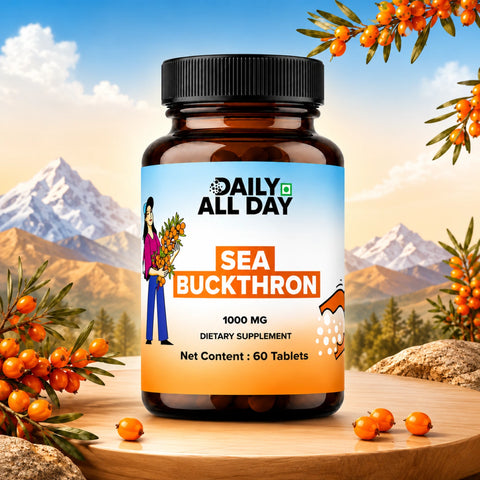
Capsules and oil concentrate the fatty acid fraction (omega-7, omega-3, etc.) but lose most of the water-soluble vitamins, particularly vitamin C, and the flavonoids. Whole-berry juice retains those compounds but at lower fatty acid concentration per milliliter. Ideally, a cold-processed whole-berry juice gives you both fractions in balance. If your primary goal is maximum palmitoleic acid per dose, oil or capsules win. If you want the full spectrum of what the berry offers, juice is the more complete format.
Is there an ideal daily amount of sea buckthorn juice for adults?
Most published studies used between 5 ml and 30 ml of sea buckthorn oil or juice daily. For a whole-berry juice like Sea Buckthorn Juice- Glowing Skin & Omega 7, 1 to 2 tablespoons (roughly 15 to 30 ml) per day with a fat-containing meal is a practical starting range for most healthy adults. Starting at the lower end for the first two weeks allows your digestive system to adjust to the concentrated carotenoid load.