Rocky Mountain Oysters: The Fair-Food Tradition That Shocked America
Share

Table of Contents
- The Story Behind Rocky Mountain Oysters
- What Are Rocky Mountain Oysters?
- How Are Rocky Mountain Oysters Made?
- Ingredients Deep Dive
- What Do Rocky Mountain Oysters Taste Like?
- Why Do People Eat Rocky Mountain Oysters?
- Quora Q&A: Real Experiences
- Nutrition & Health Thoughts
- Gentler Alternatives: Plant-Based Healthy Wonders
- Frequently Asked Questions
The Story Behind Rocky Mountain Oysters
Imagine walking at the Colorado State Fair, hearing the crowd buzzing, and the delicious smell of fried foods filling the air. Suddenly you spot a sign: Rocky Mountain Oysters. If you ask someone, "What food is Denver known for?"—you might hear about these legendary snacks. But if you expect seafood, prepare for a real surprise! Rocky Mountain oysters are a unique American tradition that has surprised, and sometimes shocked, people all over the country.
What Are Rocky Mountain Oysters?
Despite their name, Rocky Mountain oysters aren't seafood or even from the ocean. They are actually deep-fried bull testicles. This dish first became popular in ranching states like Colorado, Montana, and Wyoming. Ranchers didn't want to waste any part of the animal, so they turned what they had into something both edible and—believe it or not—special for fairs and celebrations. You can learn more about what Rocky Mountain oysters actually are from this Quora discussion.
How Are Rocky Mountain Oysters Made?
The preparation involves careful cleaning, slicing, and deep-frying. Here’s a simple breakdown:
- First, the bull testicles are peeled.
- They’re sliced into thin rounds.
- The slices are coated with a mix of flour, salt, and black pepper.
- Next, they are deep-fried in hot oil until golden and crispy.
- Some places serve them with dipping sauces, fries, and a wedge of lemon.
Curious how people react the first time? Read about first experiences on Quora!
Ingredients Deep Dive
The main ingredient in Rocky Mountain oysters is—yes—bull testicles. But what really goes into that famous fair-food bite?
- Bull Testicles: High in protein, zinc, and certain hormones.
- Flour: For the crispy coating.
- Salt & Pepper: Classic flavors to enhance taste.
- Oil (for frying): Traditionally vegetable oil or canola oil.
Some health-hobbyists wonder: is there any nutritional benefit hidden here? Bull testicles are a source of protein, zinc, and naturally contain testosterone. There’s a lot of study into how testosterone affects the body, especially in men as they age. For example, a [1] recent study found that higher testosterone is linked to lower mortality in older men (although how the body handles it, and the role of frailty, is complex). The balance of hormones and how they affect health is explored in several scientific articles: [2], [3], [4], [5].
What Do Rocky Mountain Oysters Taste Like?
Many first-timers ask, "Are they chewy? Are they gross?" Here’s what most people say:
- “They taste a bit like chicken or soft beef, especially because of the batter and frying.”
- The texture can be a little springy or tender—depending on how they’re cooked.
- People who enjoy sweetbreads (another odd-sounding dish!) might like Rocky Mountain oysters too.
If curious about sweetbreads or other unique meats, check out our blog about liver and onions.
Why Do People Eat Rocky Mountain Oysters?
A lot of Americans wonder why anyone would eat Rocky Mountain oysters. Is it a dare? Tradition? Nutrition?
- No Waste: In the early days, ranchers didn’t waste any part of the animal.
- Celebration: After “branding” (marking cattle), participants would host feasts with fresh Rocky Mountain oysters.
- Dare Food: At fairs or festivals, trying these shows courage. It’s become a rite of passage for some visitors.
- Novelty & Story Value: Most people eat this dish for the story and the bragging rights.
See what excites, or grosses out, people in the Quora appeal discussion.
Quora Q&A: Real Experiences
Curious what actual eaters say? Here are a few highlights from Quora discussions:
- "It’s not as crazy as you think! It tasted like fried meat—nothing too weird unless you dwell on it." (Read more)
- "I still tell people about the time I tried them at a Denver bar. My friends didn’t believe me, but I have the photo!" (See others’ stories)
- "It’s a texture thing—if you like calamari or chicken livers, you might actually enjoy Rocky Mountain oysters." (Comparison Q&A)
- "The name’s a misdirection. Definitely not seafood." (Definitions)
Nutrition & Health Thoughts
Rocky Mountain oysters are a protein source—like meatloaf or steak (see our meatloaf recipe). They also provide minerals and hormones found in animal organs. But eating this food is not a miracle for muscle, testosterone, or health. In fact, if you’re looking for steady, plant-based ways to support everything from omega fatty acid intake to collagen and anti-aging effects, there are modern vegetarian alternatives.
Gentler Alternatives: Plant-Based Healthy Wonders
If deep-fried organ meats aren’t your style, check out these gentle alternatives from Daily All Day:
1. Daily All Day Total Wellness Omega 3 6 9 (60 Capsules)
- Key Ingredients: Flax seeds (Alpha Linolenic Acid ALA, Linolenic Acid, Oleic Acid)
- Benefits: Supports the brain & heart, relieves joint pain, improves vision and skin, and reduces overall inflammation.
- Special: 100% plant-based (no animal products or gelatin).
- Learn more
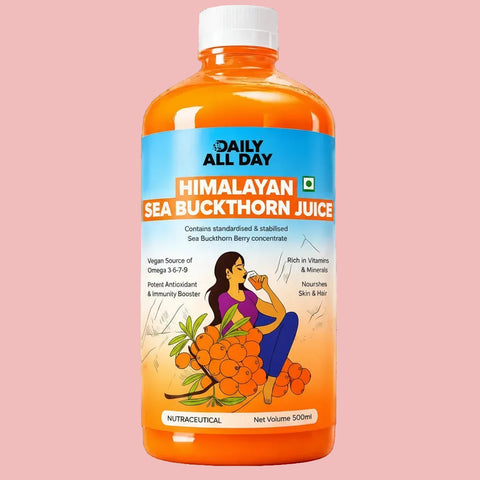
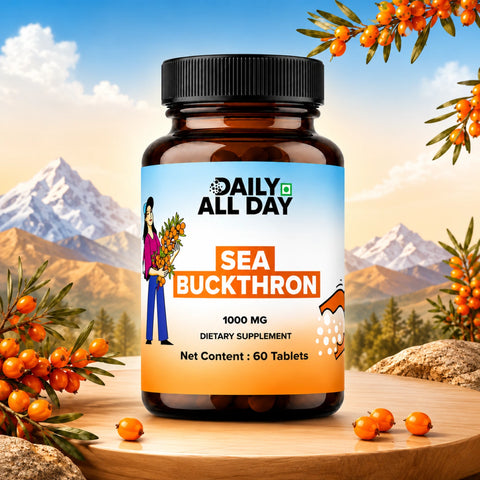
2. Daily All Day Sea Buckthorn Juice (500ml)
- Key Ingredients: Raw sea buckthorn pulp (Omega 3, 6, 9, & rare Omega 7, Vitamin C, antioxidants)
- Benefits: Brings skin glow, fights wrinkles, boosts immunity, and supports gut & heart health.
- Unique: Pure juice, no additives, suitable for vegan or vegetarian lifestyles.
- Learn more
3. Daily All Day Stress Free (120 Capsules)
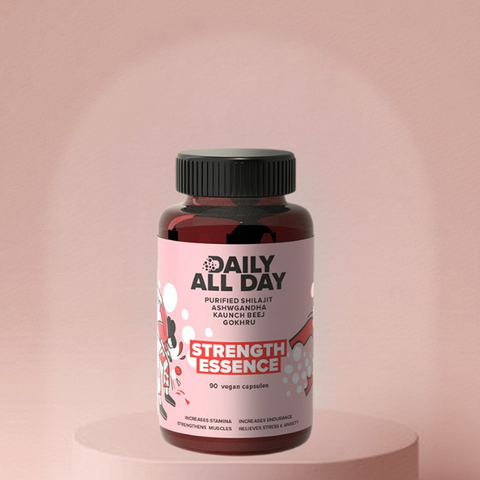
- Key Ingredients: Ashwagandha, Chamomile, Green Tea, L-Arginine, Vitamin B6
- Benefits: Reduces stress, enhances sleep, and supports mental peace—perfect after adventurous food experiments!
- More stress relief info
These alternatives cover similar health needs—joint and heart support, muscle strength, and even skin glow—without animal-based surprises.
Want more interesting American comfort food stories? Check out our blogs about Ambrosia Salad and Scrapple breakfast traditions!
Frequently Asked Questions
-
What are Rocky Mountain oysters?
Rocky Mountain oysters are not related to seafood—despite the name, they're sliced, breaded, and deep-fried bull testicles popular in certain Western American cuisines. You can read definitions from people who’ve tried them here. -
Is there a difference between Rocky Mountain oysters and sweetbreads?
Yes. Sweetbreads are cooked calf or lamb glands (like the thymus or pancreas), while Rocky Mountain oysters are bull testicles. Both are considered delicacies, but they come from different organs. Explore more about other old-school delicacies here. -
Are Rocky Mountain oysters healthy?
They have plenty of protein, minerals, and hormones. But, they’re deep-fried and high in fat. For a healthier (and kinder) way to get essential fats, try vegan omega 3-6-9 supplements. -
What’s the appeal of eating foods like Rocky Mountain oysters?
Many eat them for the thrill, the tradition, or to honor not wasting any part of the animal. It's a conversation starter, for sure! See people’s reactions on Quora. -
What are some plant-based options for similar wellness benefits?
Plant-based omega supplements and juices, like sea buckthorn, offer inflammation reduction, stronger joints, glowing skin, and support mental well-being—all from plants, not animals.
Rocky Mountain oysters are much more than just a fair-food dare—they’re a window into American food traditions and local resourcefulness. Even though this dish shocks outsiders, it’s proud proof of how communities make the most of every part of the animal. While this food isn’t for everyone, it encourages us to be open-minded and appreciate culinary diversity. For those interested in alternative, nutritious ways to support their health—especially for benefits like joint flexibility, better skin, and stress reduction—plant-based options like Daily All Day Total Wellness Omega 3 6 9 and antioxidant-rich juices such as Sea Buckthorn Juice offer a kinder, more accessible way to get key nutrients. Ultimately, exploring new traditions (like Rocky Mountain oysters or fair foods) can open doors to adventures—both on our plate and for our own well-being. Stay curious, and discover what flavors or wellness choices suit you best.