Clean Label Supplements: Marketing Myth or Health Must-Have?
Share

Quick Answer: Clean label supplements aren't automatically healthier—many use marketing terms without FDA oversight. True quality comes from transparent ingredient lists, third-party testing, and science-backed formulations, not just "natural" claims.
Clean Label Supplements: Marketing Myth or Health Must-Have?
Table of Contents
- The Clean Label Revolution: Real Change or Marketing Magic?
- Decoding Clean Label Supplements: What's Actually on Your Shelf
- FDA Loopholes and Label Tricks Every American Should Know
- Natural Supplements vs Synthetic: The Science-Based Truth
- Functional Beverages & Gummies: Instagram Hype or Real Help?
- Real Questions from Real People: Honest Answers
- Science Meets Tradition: Truly Clean Ayurvedic Options
- Your 5-Step Guide to Spotting Authentic Clean Labels
- Frequently Asked Questions
The Clean Label Revolution: Real Change or Marketing Magic?
Walk into any supplement store in America today, and you'll be hit with a rainbow of "clean," "pure," and "natural" promises. From Instagram-worthy gummies to functional drinks promising everything from glowing skin to laser focus, the clean label supplements movement has exploded. But here's what the $50 billion supplement industry doesn't want you to know: most of these feel-good terms have zero FDA oversight.
As remote work reshapes American lifestyles—with 42% of the workforce now working from home—supplement companies are capitalizing on our growing health consciousness. Yet behind the beautiful packaging and wellness buzzwords lies a complex web of marketing tactics, regulatory gaps, and genuine innovation. Let's separate the science from the sales pitch.
Decoding Clean Label Supplements: What's Actually on Your Shelf
The clean label meaning varies dramatically between brands, but most claim to offer:
- Recognizable, pronounceable ingredients
- No artificial colors, flavors, or preservatives
- Minimal processing and "whole food" sources
- Transparent supply chains and sourcing
Here's the reality check: the FDA has no standardized definition for "clean label." Unlike organic certification, which requires strict compliance, clean label supplements operate in a regulatory gray zone. A product can legally claim to be "natural" while containing synthetic vitamins, artificial binding agents, or undisclosed processing aids.
The ayurvedic supplements tradition offers a different perspective—one that's guided wellness practices for over 5,000 years. Unlike modern supplement marketing, Ayurveda emphasizes synergistic plant combinations, individualized dosing, and holistic health support rather than isolated compounds.
FDA Loopholes and Label Tricks Every American Should Know
The Dietary Supplement Health and Education Act (DSHEA) of 1994 governs how supplements are marketed to you. Understanding these rules helps you spot legitimate claims versus clever wordplay:
- Structure/Function Claims: "Supports immune function" (allowed without FDA pre-approval)
- Health Claims: "Reduces risk of heart disease" (requires FDA authorization)
- Nutrient Claims: "High in Vitamin C" (must meet specific percentage requirements)
The infamous "jelly bean rule" prevents candy from being marketed as healthy food [1], but supplements face looser restrictions. Companies exploit this by using terms like "superfood blend" or "ancient wellness formula" without proving efficacy.
Natural Supplements vs Synthetic: The Science-Based Truth
Natural supplements aren't automatically superior to synthetic ones, but certain plant-based compounds offer unique advantages. Research shows that whole-plant extracts often provide better bioavailability than isolated molecules [2].
Consider these scientifically-validated natural ingredients:
- Ashwagandha: Clinical studies show 300-600mg daily can reduce cortisol levels by up to 30% [3]. Learn more about ashwagandha's stress-fighting benefits.
- Turmeric/Curcumin: Contains over 300 bioactive compounds working synergistically, unlike isolated curcumin supplements [4].
- Moringa: Provides 92 nutrients in bioavailable forms, including 18 amino acids and 46 antioxidants naturally occurring together.
The key isn't whether an ingredient is natural or synthetic—it's whether the formulation respects how these compounds work in nature. Explore more about ingredient research and health benefits in our detailed analysis.
Functional Beverages & Gummies: Instagram Hype or Real Help?
The functional food market reached $279 billion in 2023, driven largely by millennial and Gen Z consumers seeking convenient wellness solutions. But convenience often comes with compromise:
- Sugar Content: Many "healthy" gummies contain 3-8g sugar per serving—sometimes more than candy
- Heat Degradation: Vitamin C and B-complex vitamins lose potency during gummy manufacturing
- Absorption Issues: Gelatin-based delivery may actually slow nutrient absorption compared to capsules
- Functional Drinks: Often rely on caffeine rather than genuine adaptogens for energy effects
For authentic clean label guidance, check our comprehensive ingredient decoding guide to spot hidden fillers and proprietary blend tricks.
Real Questions from Real People: Honest Answers
Based on common concerns from platforms like Quora, here are the questions Americans ask most about supplement marketing:
- Are clean labels helping or hurting consumers?
- Clean labels help when they increase transparency and reduce unnecessary additives
- They hurt when used as marketing distractions from poor formulation or unproven ingredients
- The real benefit comes from educated consumers who research beyond surface claims
- How can you tell if a supplement brand is trustworthy?
- Third-party testing certificates (USP, NSF, or independent labs) should be readily available
- Ingredient sourcing information and supply chain transparency
- Science-backed dosing that matches clinical research, not arbitrary amounts
- Companies like Daily All Day exemplify this approach with comprehensive testing and traditional formulation wisdom
Science Meets Tradition: Truly Clean Ayurvedic Options
Instead of chasing supplement marketing trends, consider formulations rooted in traditional wisdom yet validated by modern science:
Daily All Day Vita Blend
- Combines 23 essential vitamins and minerals with 23 traditional Ayurvedic herbs
- Features clinically-studied ingredients: 300mg ashwagandha, 200mg moringa, 150mg turmeric extract
- Third-party tested for purity, with complete transparency on sourcing and manufacturing
- Supports the four pillars of wellness: immunity, energy, digestion, and stress resilience
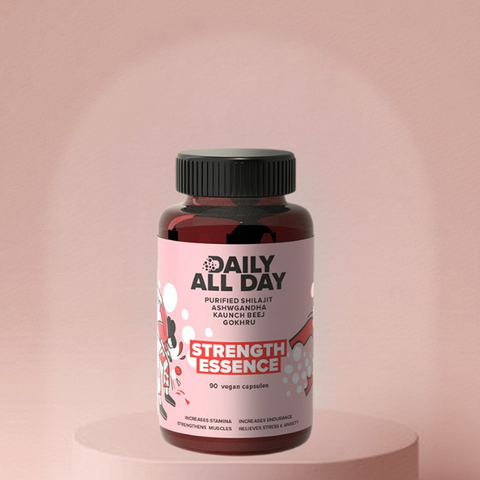
Daily All Day Strength Essence
- High-potency adaptogenic blend: 600mg ashwagandha, 300mg shilajit, 200mg gokhru extract
- Specifically formulated for stress management and natural energy support
- Vegan capsules with no artificial fillers, colors, or preservatives
- Perfect complement to Stress Free- Natural Stress Relief for comprehensive stress support
Both products represent genuine clean label principles: transparent formulation, traditional wisdom, scientific validation, and honest marketing.
Your 5-Step Guide to Spotting Authentic Clean Labels
- Demand Specificity: Avoid "proprietary blends" that hide actual ingredient amounts
- Check Certifications: Look for GMP, ISO, FSSAI, or third-party testing seals
- Research Active Doses: Compare ingredient amounts to published clinical studies
- Investigate the Company: Transparent brands share manufacturing details, sourcing info, and founder stories
- Read Beyond Marketing: Focus on ingredient science, not buzzwords like "superfood" or "ancient secret"
For deeper insights on natural energy support without caffeine crashes, explore our guide to caffeine-free energy supplements. Learn about metabolism support through natural ingredients that actually work.
What to Expect: Your Clean Label Supplement Timeline
Realistic expectations matter when choosing clean label supplements. Here's what science suggests:
- 30 Days: Initial adaptogenic effects from ashwagandha, improved energy stability from B-complex vitamins
- 60 Days: Noticeable stress resilience improvements, better sleep quality, more consistent energy levels
- 90 Days: Full benefits of herbal adaptogens, improved immune response, optimized nutrient status
Remember: supplements support health, they don't replace healthy lifestyle fundamentals like quality sleep, regular movement, and stress management practices.
Frequently Asked Questions
Do clean label supplements actually work better than regular supplements?
Clean labeling itself doesn't guarantee effectiveness. The key factors are ingredient quality, proper dosing, and bioavailability. Some "clean" supplements use inferior forms of nutrients, while some conventional supplements use highly bioavailable synthetic forms. Focus on ingredient research rather than marketing claims.
Are natural supplements safer than synthetic ones?
Not necessarily. Natural doesn't automatically mean safe—many plants contain toxic compounds. Quality control, proper extraction methods, and standardized potency matter more than whether an ingredient is natural or synthetic. Both can be safe and effective when properly manufactured and dosed.
How can I tell if a supplement company is trustworthy?
Look for third-party testing certificates, transparent ingredient sourcing, clear contact information, and science-based dosing. Trustworthy companies readily share manufacturing details, provide customer service, and back their products with research rather than just testimonials.
What's the difference between ayurvedic supplements and regular vitamins?
Ayurvedic supplements typically use whole plant extracts and traditional combinations designed to work synergistically. Regular vitamins often contain isolated nutrients. Both approaches have merit—Ayurvedic formulations may offer broader support, while targeted vitamins can address specific deficiencies more directly.
The clean label supplements movement represents both genuine progress and marketing opportunism. While increased transparency and cleaner formulations benefit consumers, many brands exploit regulatory loopholes to make health claims without scientific backing. Your best defense is education: understand ingredient science, demand transparency, and choose companies that combine traditional wisdom with modern quality standards.
Ready to experience truly clean, science-backed nutrition? Try Stress Free- Natural Stress Relief and discover what authentic clean labeling looks like. Shop Now →